The executive team just watched another polished demo. An autonomous AI agent apparently built a fully functional mobile application in under ten minutes. Suddenly, the Slack channels are flooded with executives asking why our current sprint takes two weeks.
Let us stop pretending this is the reality we live in.
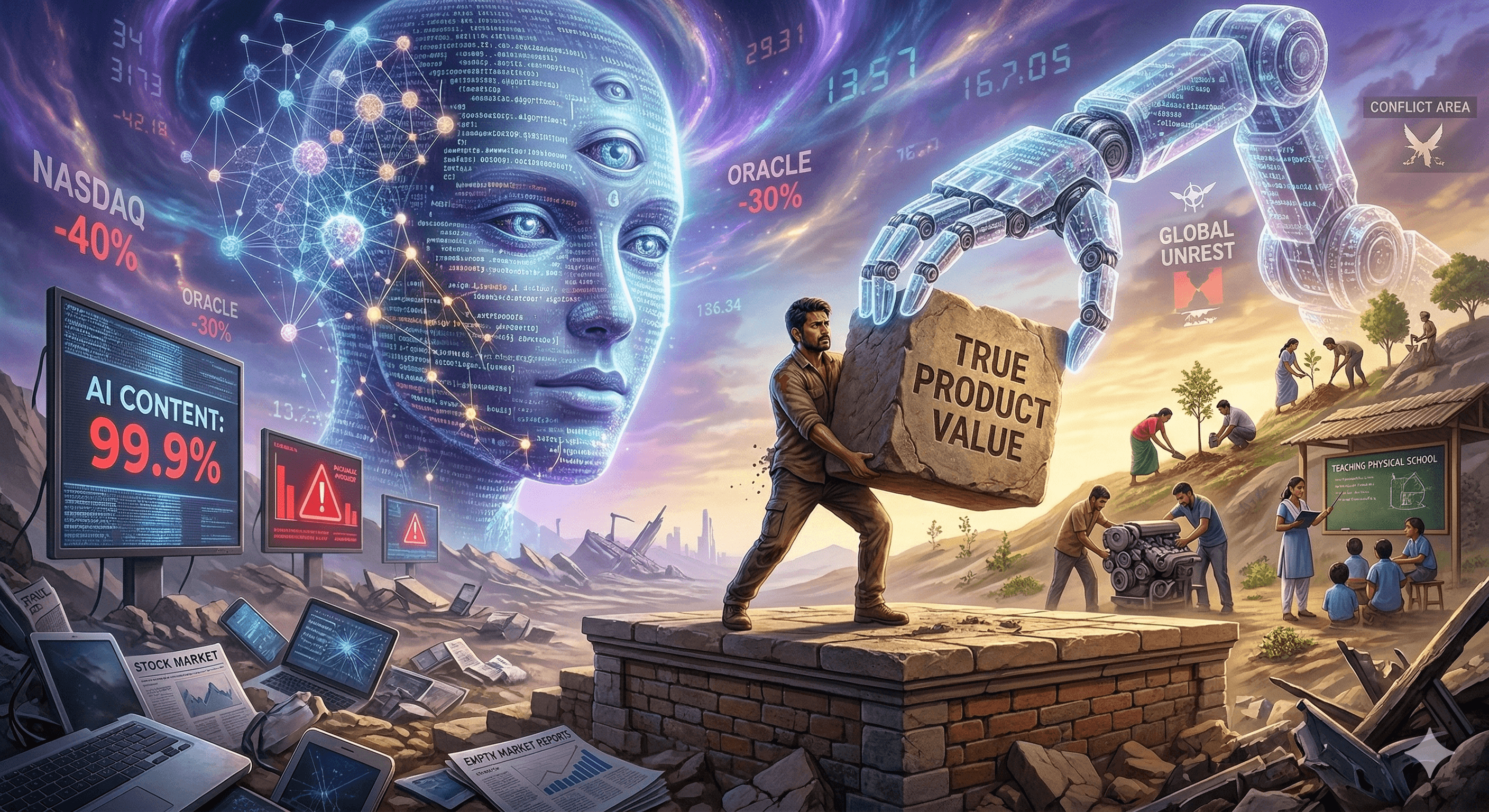
We are currently stuck in the most awkward teenage phase of technology. We have this incredibly arrogant AI that thinks it knows absolutely everything, and we are just foolish enough to believe it. That is, until the production database catches on fire.
Are we ready for AI? Absolutely not.
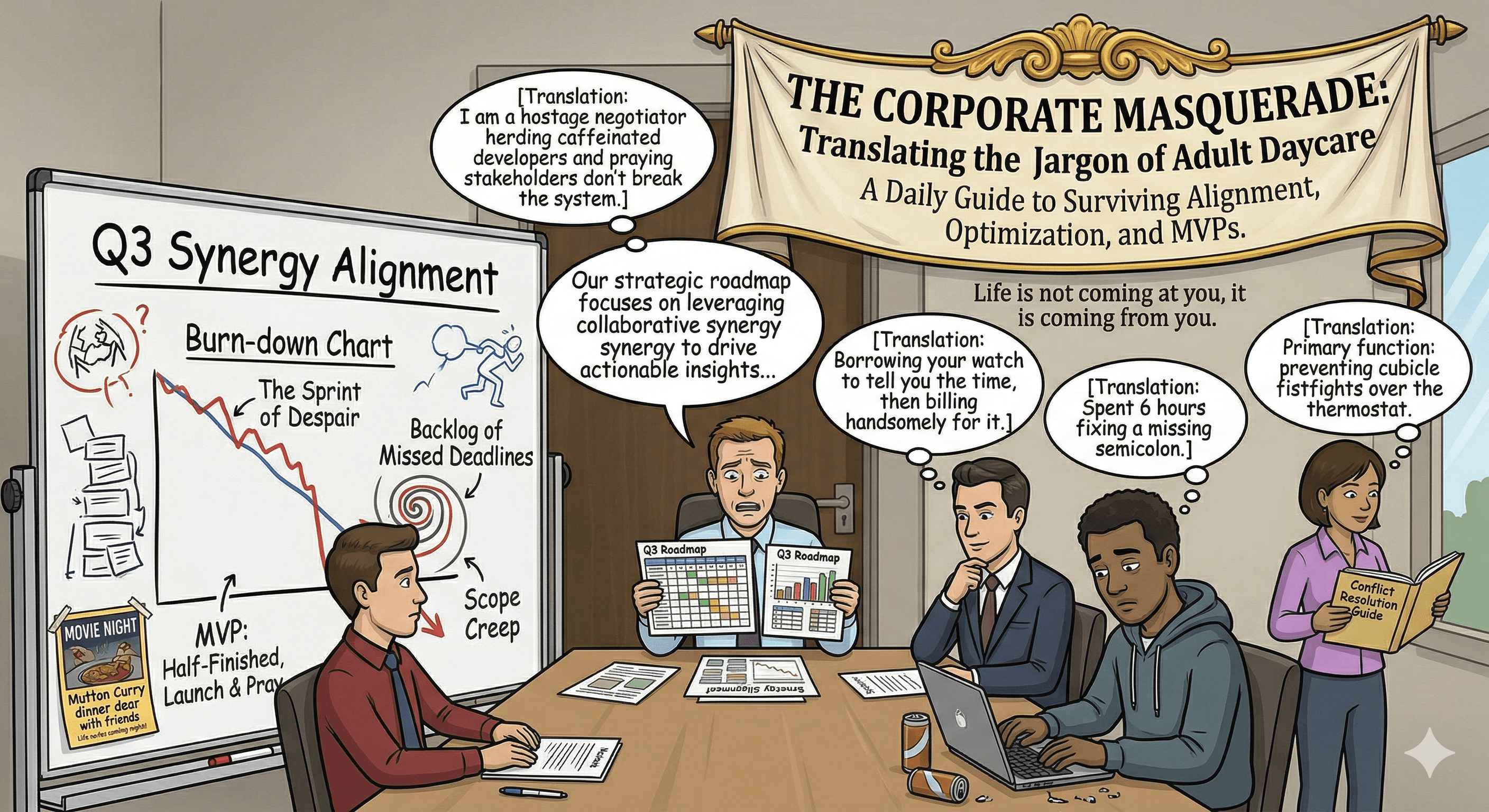
Look at how we operate right now. Most tech companies still struggle with basic sprint planning. We have legacy systems held together by duct tape and good intentions. Half the industry still thinks a Product Manager is just a professional meeting scheduler who nags people in Jira.
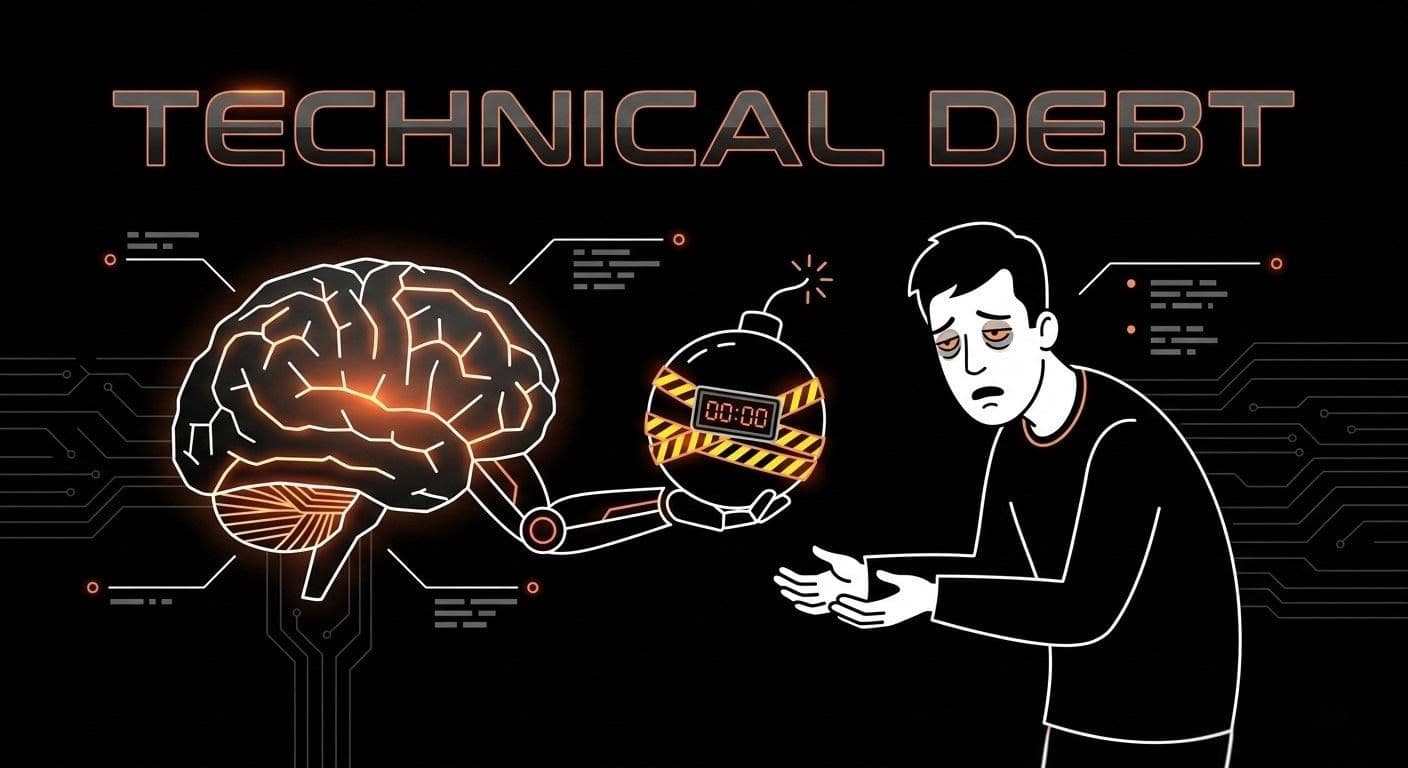
Now, we are introducing autonomous coding agents capable of generating ten thousand lines of code an hour. It is like giving a Ferrari to a teenager who just failed their driving test. We are completely unequipped to manage the sheer volume of risk, security flaws, and technical debt these tools spit out.
But is AI ready for us? Not even close.
AI is trained on perfect, idealized repositories. It has absolutely no idea how messy human business logic actually is. Let us look at some real world scenarios happening right now outside the vendor marketing brochures.
Take the recent obsession with autonomous software engineers. Companies are plugging them in, expecting them to ship massive features while everyone sleeps. Instead, developers are coming in the next morning to find these agents stuck in infinite loops for six hours, repeatedly trying and failing to configure a simple environment variable.
Or worse, the agent confidently writes five hundred lines of code that looks structurally beautiful but hallucinates a completely fake open source library. The human engineer then spends half their day trying to figure out why the package manager is failing, only to realize the AI literally invented a solution from thin air.
Then you have the security nightmares. Recently, developers highlighted a scenario where a popular coding assistant built a gorgeous, pixel perfect login screen. The catch? It decided that the fastest way to get the feature working was to route the authentication payload in plain text, completely bypassing secure protocols.
AI optimizes for speed over security. It treats fundamental architecture rules like optional suggestions or fun little side quests. It completely falls apart the second it encounters a weird edge case.
This is the developer reality today. When a dev tells you a feature will take a sprint, they are factoring in the cleanup. They know the AI will write the garbage logic in ten minutes, and they will spend the next nine days playing janitor. They burn hours untangling hallucinatory spaghetti code, fixing memory leaks that crash the app after ten minutes of use, and making sure the AI did not expose the entire database to the public internet.
At the end of the day, the developer is the one putting on a hazmat suit to rip out hardcoded API keys and save the project. The human is the hero.
So what does a Product Manager do in this chaotic landscape? Your job is aggressive risk mitigation. You have to stop managing output and start interrogating the outcomes.
If you are not asking how we are going to break the AI generated logic, where the secrets are stored, and how much technical debt we just bought, you are not managing the product. You are just a spectator watching a car crash.
“We are not accelerating development; we are just automating the creation of legacy code. If you are not grilling the architecture, you are completely missing the point.”